Is It Normal to Top Up Coolant Every Few Months 2026
No, it is never normal to have to add coolant to your car every few months. A closed cooling system should retain its fluid indefinitely, meaning frequent top-ups always indicate an underlying leak or mechanical failure.
To put it bluntly: No, it is never normal to have to top up your car coolant every few months. A healthy, sealed cooling system is a closed loop, which means your coolant level should remain virtually constant between regular service intervals. If you find yourself reaching for the antifreeze jug multiple times a year—or even every month—you are dealing with a leak or an internal engine issue that requires immediate attention.
Ignoring this slow loss of fluid is a risky gamble. What starts as a minor annoyance of topping off a reservoir in 2026 can quickly turn into catastrophic engine overheating, warped cylinder heads, or a blown engine. Let us dive straight into why this happens and what you need to look for under the hood.
Key Takeaways
- Needing frequent coolant top-ups indicates a leak or internal engine problem.
- A closed cooling system should never lose fluid under normal conditions.
- External leaks often stem from worn hoses, a failing water pump, or radiator cracks.
- Internal leaks, such as a blown head gasket, require immediate professional mechanical attention.
- Ignoring consistent coolant loss can lead to severe engine overheating and permanent damage.
Why Needing to Top Up Coolant Every Few Months Is Not Normal
The Closed-Loop Reality of Modern Cooling Systems
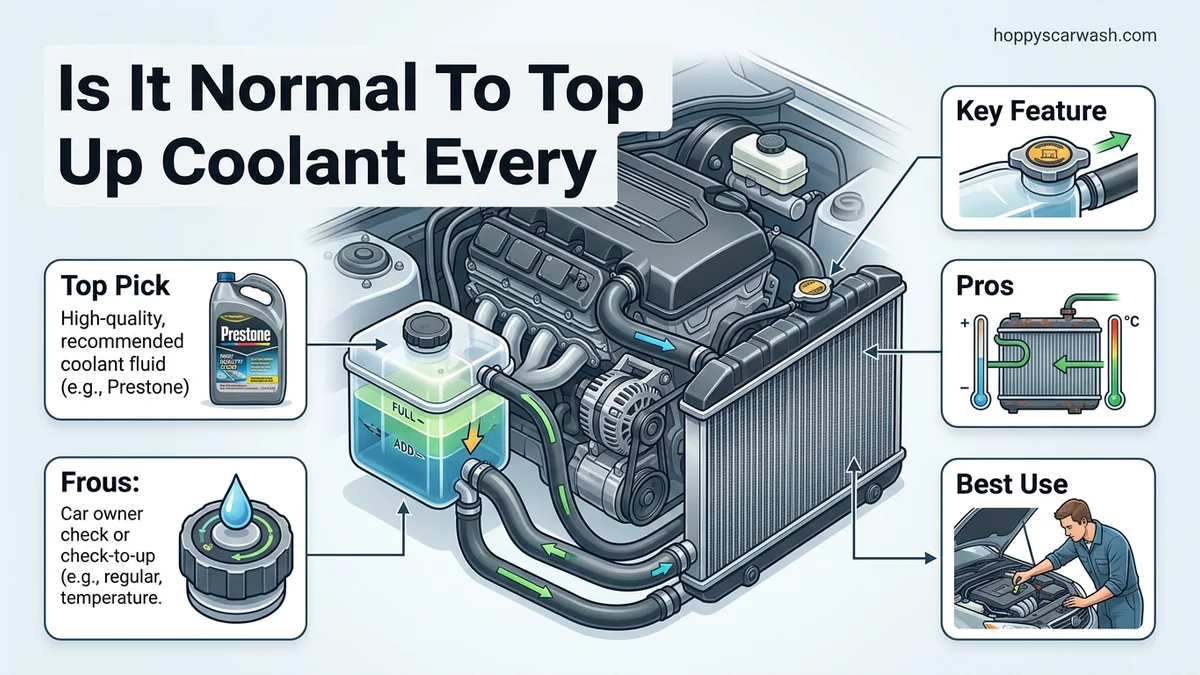
Your vehicle’s cooling system operates under pressure to raise the boiling point of the fluid and efficiently transfer heat away from the engine. Because it is a closed loop, the fluid has nowhere to go. If the level drops, it means the fluid is escaping somewhere. Even a tiny, microscopic loss that forces you to add a cup of coolant every few months is proof of a breach in the system. Modern engines are built with tighter tolerances than ever, and they simply do not consume coolant during normal operation.
The Danger of Ignoring Minor Fluid Loss
Many drivers make the mistake of treating a slow coolant leak like low windshield washer fluid. They just keep a bottle in the trunk and call it a day. However, a cooling system relies on steady pressure to function properly. When you have a slow leak, you often deal with:
- Fluctuating system pressure that lowers the boiling point of the remaining fluid.
- Air pockets forming in the heater core and engine block, leading to hot spots.
- Gradual degradation of surrounding rubber hoses and plastic components as they are exposed to drying antifreeze residue.
- A sudden, major rupture that could leave you stranded on the highway.
How to Diagnose External Leaks and Faulty Cooling Components
Common Suspects Under the Hood
When coolant vanishes without leaving a massive puddle on your driveway, it usually means it is escaping as steam, burning off hot engine components, or leaking very slowly while you drive. The most frequent culprits include:
- Aging Rubber Hoses: Small cracks or loose clamps often weep fluid that evaporates before hitting the ground.
- Radiator Seam Failures: Plastic end tanks on modern aluminum radiators frequently develop hairline cracks around the crimps.
- Water Pump Weep Holes: A failing water pump bearing will often leak coolant through its designated weep hole long before it seizes completely.
- Thermostat Housing Gaskets: Plastic or aluminum housing seals degrade over time, causing slow, crusty pink or green leaks.
Spotting the Hidden Signs
Because slow leaks can be tricky to spot with a casual glance, you need to look for telltale physical evidence. Grab a flashlight and check for sweet-smelling, brightly colored crusty residue (often white, pink, orange, or green depending on your coolant type). Pay close attention to the underside of your hood for spray patterns, and look closely at the transmission bell housing, as a leaking heater core hose or intake manifold gasket can pool fluid right back there where it immediately bakes off the hot metal.
Step-by-Step Guide to Testing for Blown Head Gaskets and Internal Leaks
When external checks reveal no puddles or damp spots, the coolant loss is likely internal. A failing head gasket or a cracked engine block can allow coolant to seep directly into the cylinders or oil system. According to automotive engineering data from the Society of Automotive Engineers (SAE), specialized diagnostic tools are required to confirm these internal failures before major engine teardowns begin.
Using a Combustion Leak Detector
- Ensure the engine is cool, then remove the radiator cap or coolant expansion tank cap safely.
- Insert the chemical block tester fluid into the top chamber of the specialized combustion leak detector tool.
- Place the rubber stopper of the tester firmly into the radiator or reservoir opening so no outside air escapes.
- Draw air from the cooling system through the testing fluid for two to three minutes while the engine idles.
- Observe the color change of the fluid; blue turning to yellow or green definitively indicates combustion gases are present in the cooling system.
Inspecting Engine Oil and Exhaust
- Pull the engine oil dipstick and visually inspect the oil consistency on a clean shop towel.
- Check if the oil appears milky, frothy, or light brown, which signals coolant mixing with engine lubrication.
- Observe the vehicle exhaust pipe upon a cold morning startup for excessive sweet-smelling white smoke.
- Perform a professional engine compression test or cylinder leak-down test to isolate which specific cylinder is compromised.
What to Do If Your Coolant Level Keeps Dropping After Repairs
Sometimes coolant levels continue to fall even after replacing a leaking water pump or fixing a hose clamp. This persistent issue means the root cause was misdiagnosed or a secondary failure has developed within the sealed system. Mechanics note that trapped air pockets often mimic coolant loss as they slowly purge through the overflow tank over several driving cycles.
Persistent fluid loss after component replacement demands a systematic approach to eliminate hidden issues:
- Perform a secondary pressure test on the cooling system when the engine is completely cold to catch minute leaks that only open up under thermal contraction.
- Bleed the cooling system thoroughly using a specialized spill-free funnel to ensure all trapped air pockets are completely evacuated from the heater core and cylinder head passages.
- Inspect the brand-new replacement parts, as defective out-of-the-box components or improper torque specifications on intake manifold gaskets can cause immediate recurring leaks.
- Consult an ASE-certified professional technician for an electronic cylinder pressure transducer test or thermal imaging scan if the loss remains unexplained. Professional diagnostic labor typically ranges from $150 to $250, while complex internal engine repairs can cost between $1,500 and $3,500 depending on the vehicle make and model.
Conclusion
Topping up your vehicle coolant every few months is never normal and points to an active leak or a developing engine issue. Ignoring this symptom risks severe engine overheating, warped cylinder heads, and catastrophic mechanical failure. According to verified research and expert sources from leading automotive service associations, addressing cooling system leaks immediately protects engine longevity and prevents expensive repairs. Check your fluid levels weekly and schedule a professional pressure test at the first sign of unexplained coolant consumption.
❓ Frequently Asked Questions
Why does my coolant reservoir keep emptying if I don’t see any puddles on the ground?
If you don’t see puddles, the leak might be slow enough that the coolant evaporates on hot engine components before hitting the ground. Alternatively, it could be an internal leak where coolant is burning off inside the engine cylinders.
Can a failing water pump cause coolant to disappear without a trace?
Yes, water pumps often leak from the weep hole while the engine is running or hot, causing the fluid to evaporate immediately off the engine block without leaving a noticeable puddle.
What happens if I just keep topping up the coolant instead of fixing the leak?
Continuously adding coolant only masks the problem and risks sudden catastrophic overheating. Overheating can warp cylinder heads, crack the engine block, and lead to a complete engine failure.
How can I tell if my head gasket is leaking coolant?
Common signs include unexplained coolant loss, persistent white exhaust smoke, bubbles in the coolant overflow tank while the engine runs, and engine oil that appears milky or frothy.
Is it safe to drive my car if it loses coolant every few weeks?
It is risky and not recommended. If the coolant level drops too low while driving, the engine can overheat rapidly, causing severe internal damage within minutes.
How do mechanics test a cooling system for hidden leaks?
Mechanics typically use a cooling system pressure tester to pressurize the system while cold, which forces fluid out of hidden cracks, loose clamps, or failing gaskets so they can be easily spotted.